Tortilla Packaging: Finding the Right Balance Between Freshness, Convenience and Sustainability
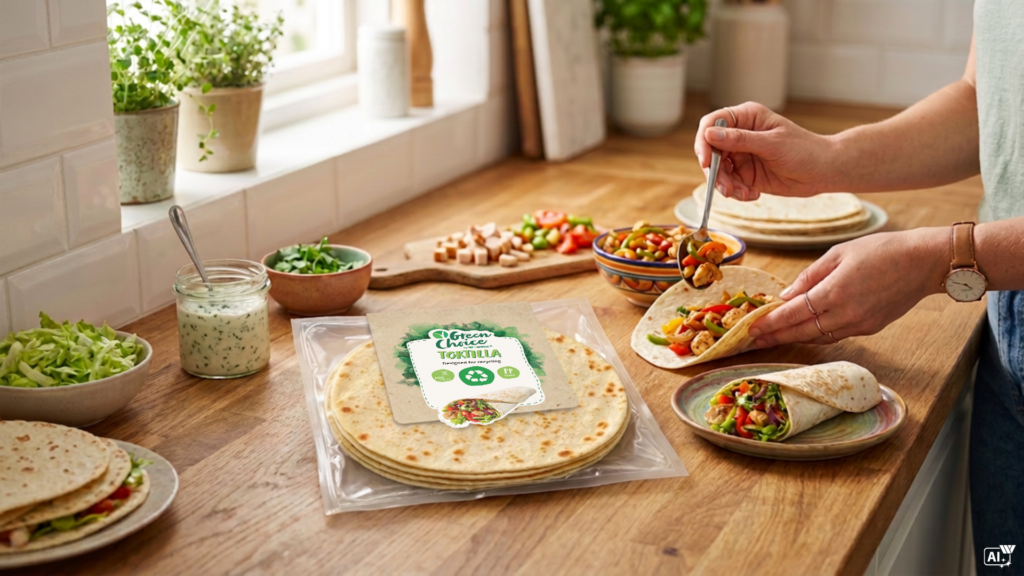
When consumers pick up a pack of tortillas, they are usually focused on the product itself. They notice the brand, the ingredients, and perhaps the nutritional information. What they rarely consider is that the quality of the tortilla in their hands is heavily influenced by the packaging surrounding it.
For manufacturers, tortilla packaging is far more than a means of transportation or shelf presentation. It is a critical component of product quality, helping preserve softness, maintain freshness, extend shelf life, and reduce food waste throughout the supply chain.
As consumer expectations evolve and pressure grows to reduce preservatives and improve sustainability, packaging is becoming an increasingly important part of the overall product strategy.
Why Tortillas Create Unique Packaging Challenges
Unlike many bakery products, tortillas need to maintain a delicate balance of characteristics throughout their shelf life.
They must remain soft enough to fold without cracking, while retaining the moisture levels that contribute to their texture and eating experience. At the same time, manufacturers must protect against mould growth, contamination, and physical damage during transport and storage.
A tortilla that becomes dry can quickly lose its appeal. One that develops mould before its intended shelf life represents not only wasted product, but also a poor consumer experience that can impact brand perception.
This creates a packaging challenge that goes beyond simple containment. Manufacturers need packaging systems capable of protecting product quality from production through to consumption.
Freshness Is About More Than Shelf Life
When discussing tortilla packaging, shelf life often becomes the primary focus. However, consumers do not buy shelf life. They buy quality.
A tortilla may technically remain safe to consume, but if it becomes dry, brittle, or difficult to handle, consumers will view the product as inferior.
This distinction is important because maintaining freshness requires packaging that helps preserve the sensory qualities consumers expect. Moisture control is particularly critical. Excessive moisture loss can result in cracking, reduced flexibility, and an overall decline in eating quality.
Effective packaging therefore needs to support freshness throughout the product’s lifecycle, not simply maximise the number of days printed on the pack.
Convenience Is Becoming Part of Product Quality
Consumer lifestyles continue to shape packaging requirements.
Many tortilla products are consumed over several occasions rather than all at once. A family may use a few wraps for dinner before returning to the pack days later.
This makes convenience and pack functionality increasingly important. In fact, 41% of consumers consider resealability to be one of the most important packaging features¹. This highlights how packaging is becoming part of the overall product experience rather than merely a protective layer.
For manufacturers, meeting these expectations can help improve customer satisfaction and encourage repeat purchases. For consumers, convenient packaging features can help maintain freshness after opening and may contribute to reducing food waste in the home.
Clean Label Trends Are Raising the Bar for Packaging
Across Europe, consumers are scrutinising ingredient lists more closely than ever.
According to Innova Market Insights, 50% of European consumers prefer a natural or clean-label approach to healthy eating². As brands respond by reducing preservatives and simplifying formulations, maintaining product quality can become more challenging.
This trend is shifting greater responsibility onto packaging.
Historically, shelf-life extension often relied heavily on formulation. Today, manufacturers are increasingly exploring how packaging technologies can support freshness while allowing ingredient lists to remain as simple as possible.
Rather than viewing packaging and product formulation separately, successful brands are recognising that both must work together to achieve desired outcomes.
Why Barrier Performance Matters
A packaging material’s barrier properties directly influence how well it protects the product inside.
For tortillas, oxygen and moisture management are particularly important. Excessive oxygen exposure can contribute to quality deterioration, while uncontrolled moisture transfer can affect texture and handling characteristics.
This is why many manufacturers evaluate packaging based on factors such as seal integrity, moisture barrier performance, oxygen barrier performance, and compatibility with high-speed production environments.
The challenge is rarely finding a material that excels in one area. The real challenge lies in balancing multiple requirements simultaneously while maintaining efficiency and cost effectiveness.
The Role of Modified Atmosphere Packaging
For producers looking to extend shelf life, Modified Atmosphere Packaging (MAP) has become an important technology.
MAP involves replacing the air inside the package with a carefully controlled gas mixture that helps slow microbial growth and maintain product quality.
Industry sources indicate that MAP can facilitate shelf lives of up to 200 days in certain tortilla applications when supported by suitable packaging materials³. However, the packaging itself remains a critical factor. Without the appropriate barrier properties and seal performance, maintaining the desired atmosphere becomes significantly more difficult.
This highlights an important reality: packaging performance should be viewed as part of a complete system rather than as an individual component.
Sustainability Must Work Alongside Performance
Sustainability discussions often focus on material reduction and recyclability. While these considerations are important, they should not be evaluated in isolation.
Food waste typically carries a significantly greater environmental burden than the packaging protecting the food itself. As a result, packaging must continue to fulfil its primary role of protecting products effectively.
The most successful packaging strategies achieve a balance between environmental considerations and product protection.
This means designing solutions that support recyclability and circularity while still delivering the barrier performance, machinability, and shelf-life protection manufacturers require.
As regulations such as the Packaging and Packaging Waste Regulation (PPWR) continue to reshape the European packaging landscape, finding this balance will become increasingly important.
Looking Beyond Materials
When evaluating tortilla packaging, it is easy to focus solely on film structures and technical specifications.
In reality, successful packaging decisions are typically driven by a broader set of questions:
- What shelf life is required?
- How will the product be distributed?
- Is a clean-label strategy being pursued?
- What level of production efficiency is needed?
- What sustainability objectives must be achieved?
- How can consumer convenience be improved?
Only after answering these questions does it make sense to evaluate which packaging solution best fits the application.
At Wipak, this is how we approach packaging development. We begin with the product, the production environment, and the business objectives. The packaging solution is the outcome of that process, not the starting point.
Building Packaging Around Real World Needs
The future of tortilla packaging is not defined by materials alone. It is shaped by the growing need to balance freshness, shelf life, convenience, operational efficiency, clean-label ambitions, and sustainability.
Manufacturers that take a holistic approach to packaging will be better positioned to meet evolving consumer expectations and changing regulatory requirements.
By understanding the real challenges behind tortilla production and distribution, brands can make packaging decisions that support product quality, reduce waste, and create better experiences for consumers from the first tortilla to the last.
Sources
- Consumer packaging preferences and resealability research, Pro Carton Consumer Packaging Survey 2025.
https://bit.ly/46lAfSB - European clean-label consumer trends, Innova Market Insights.
https://www.innovamarketinsights.com/trends/european-clean-label-trends/ - Healthy Tortillas: A How-To Guide for Production and Packaging, Harpak-ULMA.
https://www.harpak-ulma.com/resources/healthy-tortillas-a-how-to-guide-for-production-and-packaging/