PPWR Starts with One Simple Question: What Is Packaging?
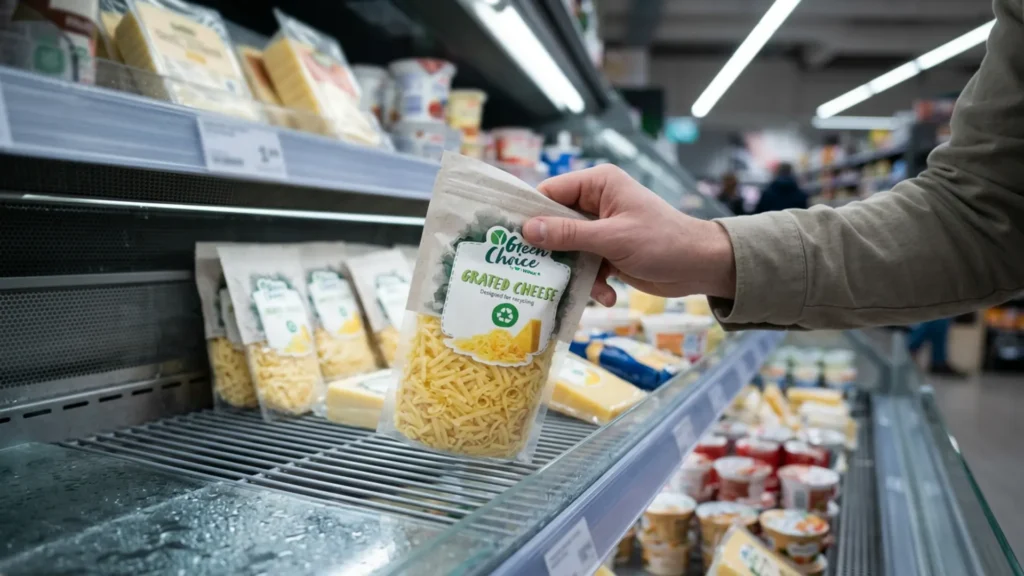
If you have been following the Packaging and Packaging Waste Regulation (PPWR), you have probably heard a lot about recyclability, recycled content, labelling and PFAS.
But before any of those requirements apply, there is a more fundamental question every food producer and retailer should understand:
What exactly counts as packaging?
The answer matters because PPWR obligations do not automatically fall on the company supplying a packaging material. In many cases, the legal responsibility sits with the company placing the final packaging on the market.
In other words, understanding the definition of packaging is the first step towards understanding your responsibilities under PPWR.
Packaging is more than a material
When we talk about packaging in everyday life, we often think about the material itself.
A film. A tray. A lid. A label.
PPWR takes a different view.
The regulation defines packaging as an item used for the containment, protection, handling, delivery or presentation of products. Importantly, the definition focuses on the final packaging item and its function, not simply the material from which it is made¹.
That distinction may sound subtle, but it changes how responsibilities are allocated throughout the value chain.
As Susan Janssen, Sustainability Manager at Wipak Group, recently explained during a conversation:
“Many PPWR discussions become much clearer once we separate packaging materials from packaging itself. They are not the same thing under the regulation.”
Why does this matter?
Because PPWR requirements apply to packaging, not to individual packaging materials before they are converted into their final form.
Take flexible packaging as an example.
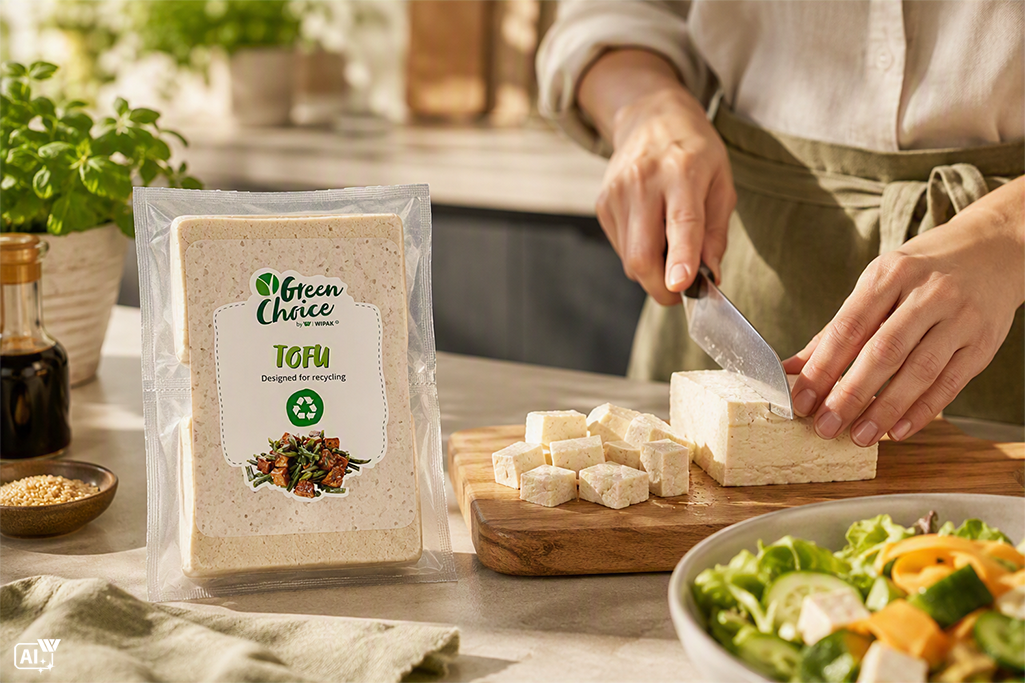
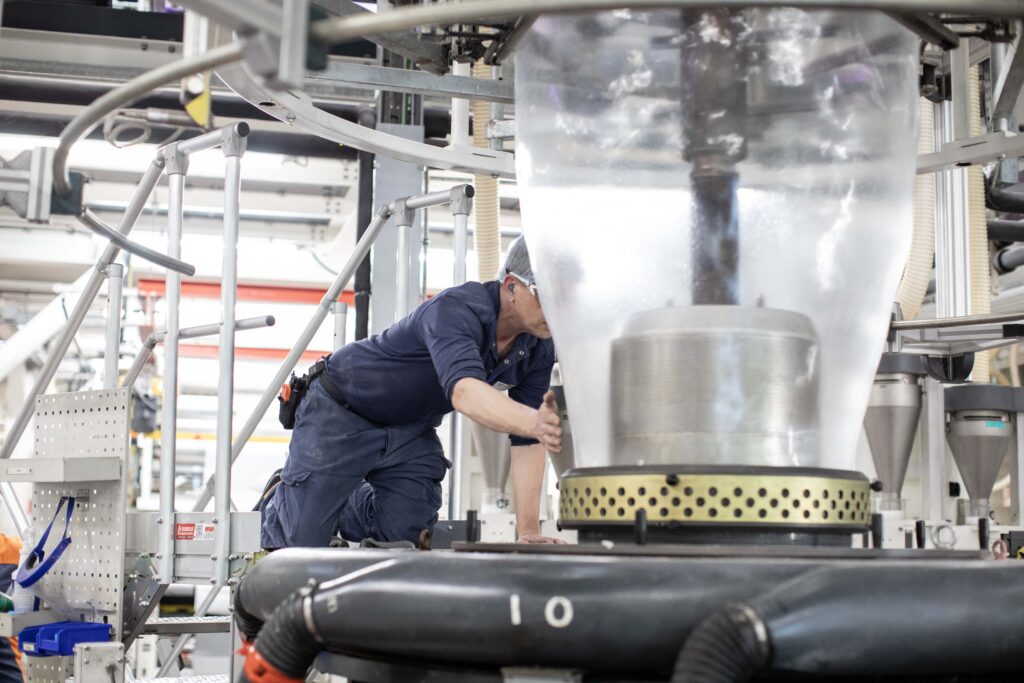
A reel of film supplied to a food producer is not yet performing a packaging function. It is a packaging material that will later be converted into a pouch, flowpack, thermoform pack or another format.
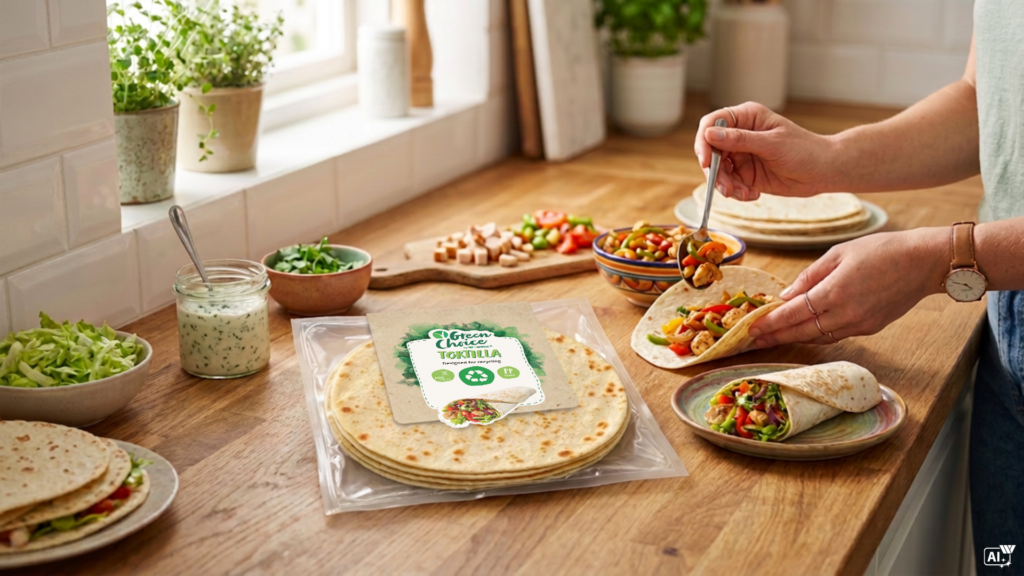
Only once that package has been formed, sealed and filled does it become the packaging that ultimately reaches the market.
This distinction is recognised both by the European Commission and by industry guidance interpreting the regulation. The manufacturer responsible for compliance is generally the economic operator that creates the final packaging unit and places it on the market¹.
So who is responsible?
This is where many businesses are surprised.
The European Commission’s guidance explains that for sales packaging and grouped packaging, the manufacturer is normally the company that applies the final processing steps, such as filling or sealing, and places the packaged product on the market. In practice, this is often the food producer, filler or brand owner.¹
That manufacturer is responsible for:
- Ensuring the packaging complies with PPWR requirements
- Carrying out conformity assessments
- Preparing technical documentation
- Issuing the EU Declaration of Conformity
These responsibilities are established under Article 15 of PPWR and Annex VII.¹
As Susan puts it:
“Responsibility follows the packaging, not the material. The company that creates and places the final packaging on the market is the one that must demonstrate compliance.”
What about packaging suppliers?
This does not mean packaging suppliers have no role to play.
Far from it.
PPWR requires suppliers to provide information and supporting documentation that helps manufacturers demonstrate compliance. This can include information on material composition, heavy metals, PFAS, and other technical characteristics¹.
However, suppliers generally cannot certify the compliance of the final packaging because they do not control key decisions such as:
- Package dimensions
- Package design
- Labels and closures
- Filling processes
- Sealing conditions
- Product type and intended use
All of these factors can influence whether the final packaging complies with PPWR requirements.
The private label question
The situation becomes even more interesting with retailer brands.
According to the Commission’s guidance, where packaging or packaged products are designed or manufactured under a company’s own name or trademark, that company can be considered the manufacturer for PPWR purposes¹.
This means that, in some private label scenarios, responsibility sits with the retailer rather than the company physically filling or packing the product.
As a result, retailers are increasingly becoming active participants in PPWR discussions, not simply observers.
What should food producers and retailers do now?
The most important takeaway is not to wait until 2030.
Even though several PPWR requirements still depend on future delegated acts and implementing legislation, businesses should already understand:
- Which packaging they place on the market
- Their role under PPWR
- Which compliance responsibilities sit with them
- What information they need from packaging suppliers
- How future packaging decisions may affect recyclability and compliance
As Susan recently noted:
“It’s not the time to wait. It’s time for action.”
The bottom line
Many PPWR conversations start with questions about recyclability, recycled content or future packaging targets.
In reality, they should start with something much simpler:
What is the packaging?
Once that question is answered, everything else becomes clearer.
Because under PPWR, responsibilities are attached to the packaging placed on the market, not simply to the materials used to make it.
For food producers and retailers, that distinction is far more than a legal definition. It determines who is responsible for demonstrating compliance, preparing documentation and ensuring that packaging meets the requirements of one of Europe’s most significant packaging regulations¹.
Source
¹European Commission. Guidance Document for Regulation (EU) 2025/40 on Packaging and Packaging Waste (PPWR), Commission Notice C(2026) 3702 final, June 2026